
Small businesses face a constant challenge: they must capture attention while competing with larger brands and limited marketing budgets. Fortunately, video gives businesses a practical way to communicate their value, demonstrate their products, and connect with customers. A short, well-planned video can explain an idea faster than a long block of text. Moreover, strong visuals can help audiences remember a brand and understand its message.
For that reason, small businesses increasingly need a structured approach to video marketing. A successful Video Campaign does more than produce attractive content. Instead, it combines a clear objective, defined audience, useful messaging, suitable platforms, and measurable results.
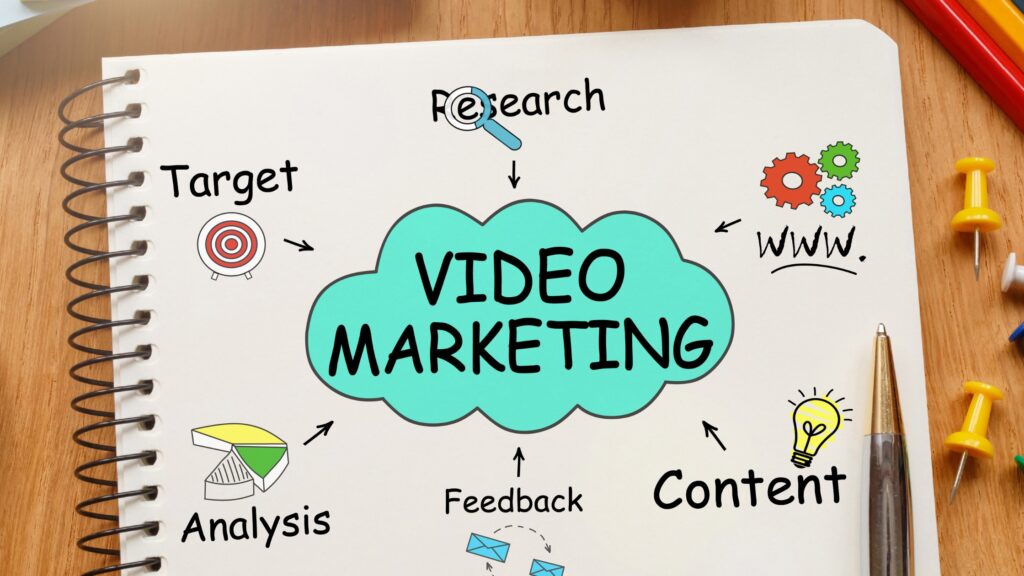
Why Video Marketing Matters for Small Businesses
Video marketing helps businesses showcase services, engage customers, build awareness, generate leads, and explain offerings effectively. Small businesses can create quality videos using affordable tools and simple strategies.
- Service Showcase: Use engaging videos to introduce services, demonstrate products, answer questions, and educate potential customers.
- Brand Awareness: Create memorable videos that help small businesses increase visibility and communicate their unique value.
- Customer Engagement: Use helpful video content to capture attention, encourage interactions, and build stronger customer relationships.
- Lead Generation: Guide interested viewers toward websites, contact forms, consultations, purchases, or other valuable actions.
- Affordable Production: Create effective videos using smartphones, clear audio, good lighting, and thoughtful scripting without expensive equipment.
Video marketing gives small businesses a practical way to communicate their value, connect with audiences, strengthen brand visibility, generate leads, and achieve meaningful marketing results with limited resources.
Start With a Clear Video Campaign Goal
Every Video Campaign should begin with a specific goal. Without a defined objective, businesses may create content that receives views but fails to support meaningful business outcomes.
First, determine what you want the campaign to accomplish. You may want to increase brand awareness, generate website visits, promote a service, collect leads, or encourage customers to contact your business.
Next, define the audience. Consider their interests, problems, questions, and buying behavior. Then, create the video around their needs instead of simply talking about your company.
For example, a training organization can create videos that explain career opportunities, introduce learning programs, answer admission questions, or demonstrate practical skills. This approach provides useful information while also showing potential students what they can expect from the organization.
Create Engaging Small Business Video Ads
Small Business Video Ads need to communicate their main message quickly. Online audiences scroll quickly, so businesses should use relevant openings, clear solutions, supporting visuals, simple structures, and strong calls to action that encourage viewers to take the next step.
1. Strong Opening Hook
Start with a compelling question, common problem, valuable benefit, or attention-grabbing statement that immediately captures interest and encourages viewers to continue watching your video.
2. Clear Core Message
Explain your product, service, or offer using simple, direct language so viewers quickly understand its value, benefits, purpose, and relevance to their specific needs, while clearly recognizing how it can solve their problems.
3. Relevant Supporting Visuals
Include demonstrations, product shots, graphics, text overlays, or other relevant visuals that reinforce your message, improve understanding, maintain attention, and make the overall video more engaging.
4. Simple Content Structure
Organize your video with a clear introduction, important benefits, supporting information, and a focused message. This structure helps viewers follow your content easily without becoming confused or distracted.
5. Clear Action Prompt
Encourage viewers to take a specific next step, such as visiting your website, requesting information, registering for a program, booking a consultation, or contacting your business, while making the desired action simple, clear, and convenient.
Effective video advertising combines clear messaging, engaging visuals, strong openings, and actionable CTAs to capture attention, build interest, and encourage meaningful customer responses.

Choose the Right Video Format
Different audiences respond to different types of content. Therefore, businesses should choose video formats according to their objectives.
Short-form videos can introduce a brand or answer quick questions. Educational videos can explain complicated subjects in an accessible way. Demonstration videos can show how a product or service works. Meanwhile, testimonial videos can communicate customer experiences and build credibility.
Businesses can also create behind-the-scenes videos to show their processes and people. Additionally, interviews and expert discussions can help establish authority within a particular industry.
The key involves matching the format with the audience’s needs. A business should not create a video simply because a particular format appears popular. Instead, it should select a format that supports its message and campaign objective.
Use Targeted Small Business Video Ads
Audience targeting helps businesses reach relevant customers based on interests, location, behavior, and engagement, while retargeting reconnects with visitors who previously showed interest in their offerings.
- Focus advertisements on people genuinely interested in your products or services.
- Reach potential customers based on specific cities, regions, or service areas.
- Target users based on relevant interests, behaviors, and professional needs.
- Use previous website interactions and engagement to refine audience targeting.
- Create video content that addresses specific audience needs, interests, and expectations.
- Reconnect with people who previously visited your website or engaged with content.
Targeted video advertising helps businesses reach relevant audiences, personalize marketing messages, reconnect with interested visitors, and improve engagement by delivering content that closely matches customer interests and behaviors.
Optimize Your Video Campaign With Data
A Video Campaign should generate useful performance data. Businesses should therefore track relevant metrics instead of relying only on total views.
Important measurements can include:
- Video views
- Watch time
- Completion rate
- Engagement
- Click-through rate
- Website traffic
- Lead generation
- Conversion rate
- Cost per lead
However, businesses should select metrics that match their objectives. A brand-awareness campaign may focus on reach and video engagement, while a lead-generation campaign may prioritize inquiries and conversions.
Furthermore, businesses should compare different versions of their content. They can test different headlines, openings, visuals, offers, and calls to action. Over time, these comparisons can reveal which messages generate stronger responses.

Connect Video With Other Marketing Channels
Video marketing works best when businesses connect it with their broader digital strategy. A business can publish educational videos on its website and then share shorter versions across social media.
Similarly, businesses can use videos within paid advertising campaigns, email marketing, landing pages, and remarketing strategies. Consequently, audiences can encounter consistent messaging across multiple channels.
Search engine optimization can also support video content. Businesses can optimize video titles, descriptions, surrounding website content, and relevant keywords. Additionally, they can create supporting articles that answer questions related to the video’s subject.
Conclusion
A carefully planned Video Campaign helps small businesses communicate clearly, reach relevant audiences, and achieve measurable goals. Businesses need defined objectives, useful content, targeted advertising, strong calls to action, and ongoing performance analysis.
For education providers, video can explain programs, showcase learning opportunities, answer student questions, and highlight career-focused benefits. MobileRad can use informative video content to communicate its educational opportunities and help prospective learners understand its programs.
FAQs
1. What is a Video Campaign?
A Video Campaign is a planned marketing effort that uses one or more videos to achieve a specific objective, such as increasing awareness, generating leads, promoting a service, or driving website traffic.
2. How can Small Business Video Ads help a company?
Small Business Video Ads can help businesses attract targeted audiences, explain their offerings, increase engagement, and encourage viewers to take specific actions.
3. What should a small business include in a marketing video?
A marketing video should include a clear message, relevant visuals, audience-focused information, a strong opening, and a specific call to action.
4. How can businesses measure video marketing performance?
Businesses can measure performance through metrics such as views, watch time, completion rate, engagement, clicks, website traffic, leads, conversions, and cost per lead.

Ranjan Barman
Ranjan Barman is the founder of MobileRad, helping small businesses across the United States grow through programmatic, video, display, OTT/CTV, and retargeting advertising.