
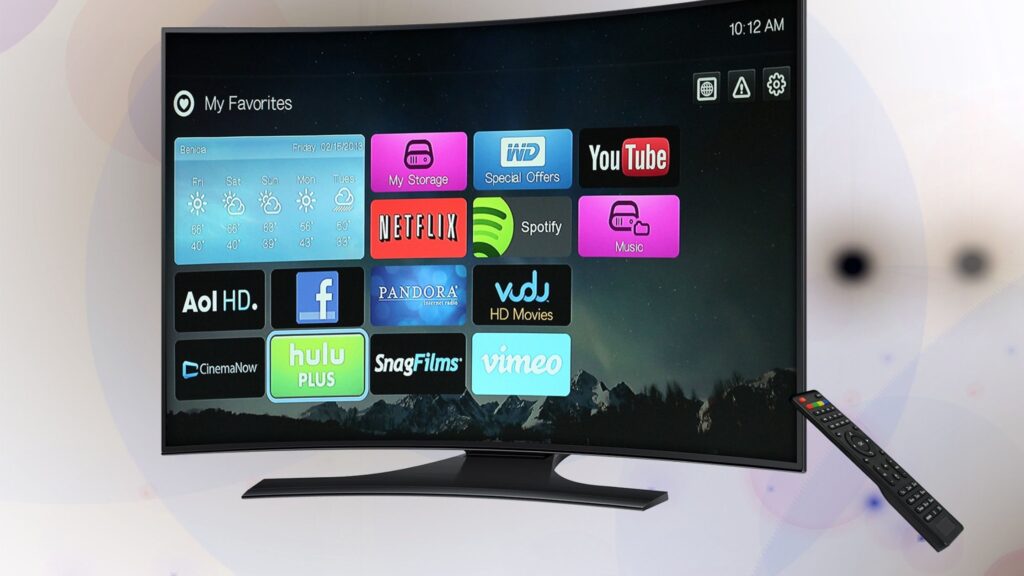
In today’s digital landscape, the rise of streaming services has dramatically reshaped the way brands connect with consumers. Traditional TV is no longer the go-to medium for advertisers, and these TV ads have emerged as a highly effective alternative. Connected TV refers to any television that is connected to the internet, allowing viewers to stream content from platforms like Netflix, Hulu, and Amazon Prime. This shift in viewing behavior presents new opportunities for brands to engage their audience in a more personalized and effective way.
What Are Connected TV Ads?
Connected TV ads are video ads that are shown on internet-enabled televisions or streaming devices. These ads appear while viewers are watching content on popular streaming platforms, making them an ideal method for reaching highly engaged audiences. Unlike traditional TV ads, connected TV ads offer precise targeting capabilities, ensuring that ads are shown to viewers who are most likely to be interested in a product or service. This shift from linear TV to streaming services has created new possibilities for advertisers to increase engagement and improve the performance of their campaigns.
Additionally, these TV ads provide the advantage of real-time tracking and optimization, allowing advertisers to monitor campaign performance and make adjustments as needed. This data-driven approach enables brands to better understand viewer behavior, refine their strategies, and achieve higher ROI. With features like interactive ads, personalized recommendations, and enhanced targeting, connected TV ads create a more immersive and compelling viewing experience for consumers, ultimately driving stronger results for businesses. Learn more about Connected TV Advertising.
How Connected TV Ads Drive Engagement
Connected TV ads offer brands a dynamic way to engage with their target audiences. With the rise of streaming services and the decline of traditional TV, these ads provide an opportunity to connect with viewers in a more personalized and interactive manner.
- These TV ads provide the unique advantage of targeting specific audience segments based on detailed data, such as viewing habits, demographics, and interests.
- Furthermore, the interactive nature of connected TV platforms encourages immediate viewer action, such as clicking a link, making a purchase, or signing up for a service.
- Real-time optimization is another powerful benefit of connected TV ads. Marketers can track key performance metrics such as impressions, click-through rates, and engagement.
- Unlike traditional TV ads, connected TV enables real-time tracking and optimization, allowing advertisers to adjust campaigns and improve performance throughout their run.
In conclusion, connected TV ads enable brands to drive stronger engagement through personalized targeting, interactive features, and real-time campaign adjustments, making them a powerful tool for modern digital advertising.
Maximizing Engagement in Connected TV Advertising
Connected TV advertising offers brands the opportunity to engage with their audience in a highly personalized and impactful way. By utilizing targeted strategies and optimizing campaigns, advertisers can significantly enhance their engagement levels and achieve better results.
1. Create Relevant, Engaging Content
Engagement starts with content. When creating ads for connected TV, it’s crucial to ensure the content resonates with the target audience and encourages immediate action. Crafting a compelling, tailored message helps keep viewers engaged and drives them toward your desired outcome.
2. Leverage Audience Data for Targeting
Connected TV marketing allows for advanced targeting capabilities. Marketers can segment audiences based on criteria like age, gender, location, interests, and viewing habits, ensuring the ads are relevant to the viewers. By utilizing this data, brands can boost engagement and improve conversions with more precise ad placements.
3. Track and Measure Campaign Performance
One of the main advantages of connected TV ads is real-time tracking. Marketers can measure metrics like viewability, completion rates, and interactions to evaluate ad performance. This data helps refine future campaigns, ensuring continuous improvement in engagement and campaign success.
4. Incorporate Strong Calls to Action
An effective connected TV marketing campaign should always have a clear call to action. Whether it’s directing viewers to a website, encouraging a purchase, or prompting them to sign up for an offer, a strong CTA ensures that viewers know exactly what to do next.
5. Optimize for Multiple Devices
Connected TV ads often reach viewers across various devices, including smart TVs, streaming boxes, and game consoles. Optimizing ad content to display well on multiple screen sizes and formats ensures a consistent experience for all viewers, improving engagement and keeping the message intact across platforms.
Maximizing engagement in connected TV advertising is all about creating personalized, data-driven experiences for viewers. By optimizing content, leveraging audience insights, and ensuring seamless multi-device compatibility, brands can build stronger connections with their audience and drive higher conversions.
Conclusion
As the shift from traditional television to streaming continues, connected TV ads present a valuable opportunity for brands to reach their audience in a more targeted and engaging way. By partnering with a CTV ad agency and implementing best practices for connected TV marketing, businesses can maximize their campaign’s effectiveness, drive engagement, and improve ROI. With the right strategies in place, connected TV ads are not just a way to advertise—they’re a pathway to creating meaningful connections with consumers. At MobileRad, we specialize in helping brands maximize their digital advertising efforts, including connected TV campaigns, by leveraging advanced strategies and data-driven insights.
FAQs
1. What is connected TV advertising?
Connected TV advertising places video ads on internet-enabled TVs or streaming devices, targeting specific audiences based on data and viewing habits for more relevant experiences.
2. How do connected TV ads differ from traditional TV ads?
Unlike traditional TV ads, connected TV ads offer precise targeting, real-time tracking, and interactivity, enabling personalized and measurable campaigns.
3. Why should I work with a CTV ad agency?
A CTV ad agency specializes in crafting and optimizing campaigns, offering expertise in targeting, content creation, and performance tracking for optimal results.
4. What are the best practices for connected TV marketing?
Best practices include creating engaging content, using audience data for targeting, tracking performance, and incorporating strong calls to action for better engagement.